The City Before Sunrise Is a Different City
I started walking at five because of a period of bad sleep, not by choice. Lying awake was worse than being outside, so I went outside. That went on for about six weeks and I have kept the habit at maybe one morning a week since, now that I am sleeping properly and no longer have the excuse.
The thing that keeps bringing me back is that it is not the same streets with fewer people on them. It is a different set of facts about the place.
What is actually happening at five
Not nothing, which is what I expected. There is a whole layer of the city that operates in that window and is finished before most people are awake.
Deliveries, mostly. Cages of bread being wheeled into supermarket side doors. Beer crates outside pubs. The vans that resupply the coffee shops, double parked with hazards on, drivers who clearly know each other calling across the street. Street cleaning, which is much louder than you would think and follows a route you can learn.
Then the first shift: hospital staff, hotel cleaners, market traders, bakers who have already been at it for three hours. These are the people on the first buses and they are not commuting in the way the eight o clock crowd is. Nobody is on a phone. Almost nobody is talking.
What is absent is anyone who chose the hour. That is the part I find most striking. Everyone out at five is out because of work, and the arrangement is entirely functional. Being there for pleasure makes you the only person present who does not have to be.
The sound
The obvious thing is that it is quieter, but the useful thing is that the quiet is structured differently. During the day, city noise is a continuous floor that everything else sits on top of. At five there is no floor. Individual sounds arrive whole and from a specific direction and then stop.
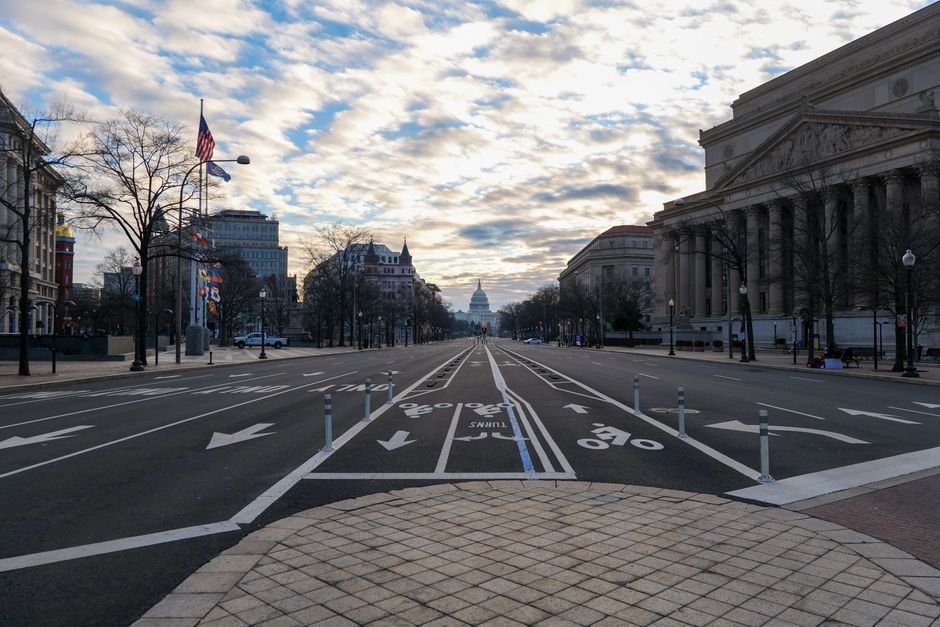
You hear a single car three streets away and follow it. A shutter going up. A gull, and then the next gull answering, and then a gap of thirty seconds. It is closer to the acoustics of a village than of the same street at noon, and the effect on how far you can hear is dramatic. I have heard a train I did not know was audible from my area.
The birds start before the light does, which was the biggest surprise of the whole thing. In spring the chorus begins in near darkness and it is genuinely loud, loud enough that you stop walking. By the time the sky is properly light it has thinned out to what I used to think of as normal birdsong.
Safety, honestly
I am not going to pretend this is not a consideration, or that it is the same consideration for everyone. It is not.
What I have settled on: main roads rather than parks, routes with some activity on them rather than genuinely deserted ones, and a rule about not wearing headphones which I keep to absolutely. The paradox is that the streets with the delivery vans and the street sweepers feel much better than the empty residential ones, so the route that has the most going on is also the one with the most interest. Those two things point the same way, which is convenient.
I have never had a problem. I also know that says almost nothing, and that someone else doing exactly the same walk might reasonably reach a different conclusion about whether it is for them.
The end of it
There is a specific moment, somewhere between quarter to seven and half past depending on the season, when the city changes over. It is not gradual. The number of people on the street roughly quadruples inside about fifteen minutes, and the whole character of the hour evaporates.
Once you have noticed it you can feel it coming. The traffic picks up first, then the pavements. I now plan to be somewhere I want to be sitting by then, usually a cafe that has just opened, rather than still walking, because walking through the changeover is mildly deflating in a way that being stationary through it is not.
Whether it is worth losing the sleep
Mostly no, if you have to lose sleep for it. The six weeks when I did this daily were a symptom of a problem and not a lifestyle I would recommend to anyone.
Once a week, going to bed earlier the night before, it is comfortably worth it. The thing I get out of it is not calm exactly. It is more like a temporary change of scale, where the city is small enough to take in, and the day has not started making requests. That lasts about an hour and then it is gone until next time.
Routes that work
After a lot of trial and error the pattern is fairly clear. The best routes go past places that are active at that hour, without going through anywhere isolated.
My standard circuit takes in the back of a hotel where the kitchen deliveries arrive, a stretch of main road with a night bus route on it, the market square where the traders are setting up from about half four, and a bridge. The bridge is the actual destination and everything else is the way there.
Bridges are worth building a route around. They are the only place in a dense city where you get a long sight line and a lot of sky, and at five in the morning you will have one entirely to yourself. The river also does something to the sound that I have never got tired of.
What I avoid: parks, which are locked anyway in many cities and unpleasant if not, underpasses, and long residential streets where nothing is happening in any direction. Those last ones are the least interesting as well as the least comfortable, which again makes the choice easy.
Coffee
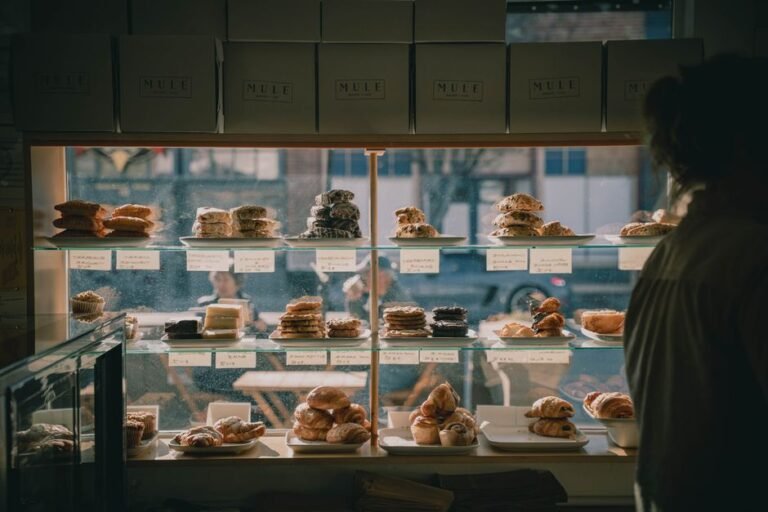
The practical problem with the whole enterprise is that nothing is open. There is a period between about half four and six where in most cities you cannot buy a hot drink at all.
The exceptions are worth knowing and they are always the same categories: petrol station forecourts, the concourse of a mainline station, the occasional twenty four hour fast food place, and in some cities a market cafe that opens for the traders at five and will serve anyone. That last one is the good option, if you have one. Mine opens at half five, has eight seats, and the tea is the colour of a brick.
Otherwise take a flask, which I resisted for a long time on the grounds that it seemed excessive and now do routinely.