The Week Between Christmas and New Year
The three days after Christmas are the strangest time in a city. Offices are shut. Most people who can leave have left. Public transport runs a Sunday service on a Tuesday. And a large number of the people still around have nothing they have to do.
For about five days the whole place operates at maybe forty percent, and it is the only stretch of the year when that happens outside of a national emergency.
What shuts and what does not
Christmas Day itself is a different category and effectively everything is shut. Boxing Day is retail only and the shopping streets are chaos while everywhere else is dead.
The good days are the twenty seventh through the thirtieth. By then the sales rush has thinned, offices are still closed, schools are still off, and the city is quiet without being shut. Museums and galleries reopen, usually on reduced hours. Most cafes are trading. Public transport runs, sparsely.
What stays shut through the whole week: council services, most independent shops, anything attached to a university, and a surprising number of the small cafes and bookshops that would otherwise be the natural destinations. The independents close for the full fortnight far more often than the chains.
The specific quality of it
What makes this week different from an ordinary quiet day is that everyone still around is also off. There is no commute happening around you. Nobody is hurrying.
The nearest comparison is a bank holiday, but a bank holiday has a programme. People do things on bank holidays. The days after Christmas have no programme at all, which is why they feel like a gap rather than a holiday, and why people find them faintly disorienting.
That gap is exactly what makes them good for the sort of thing this site is about. A long walk on the twenty eighth, through a city where a third of the usual population is present and none of them are in a hurry, is a genuinely unusual experience and it costs nothing.
Where to go
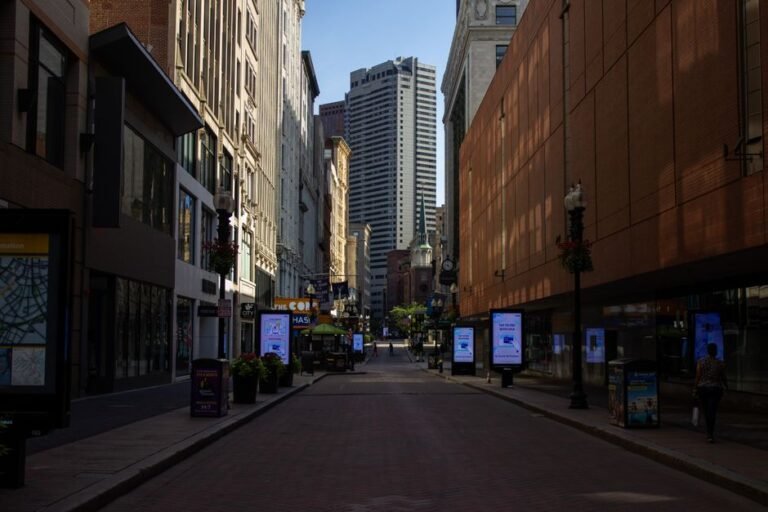
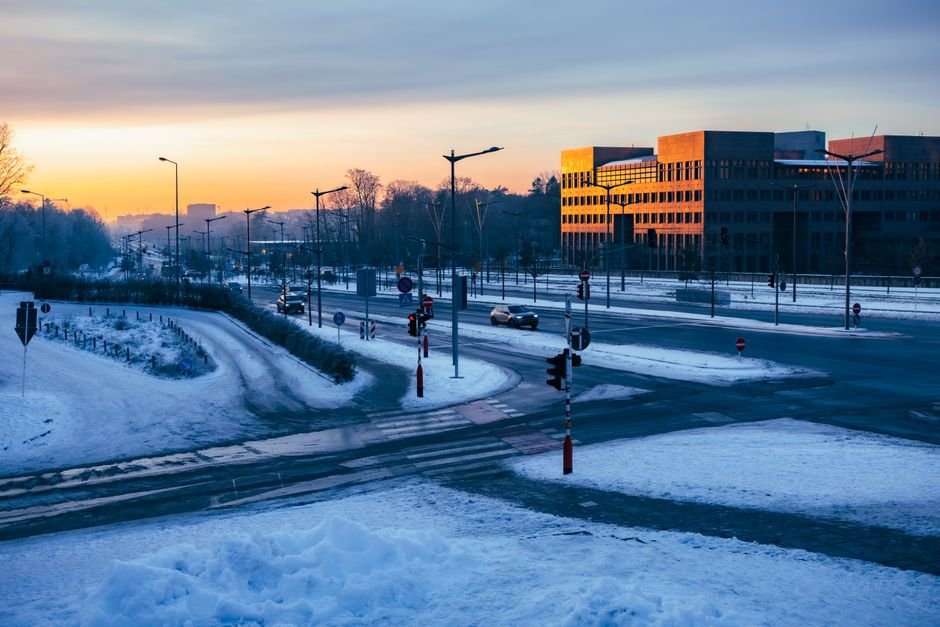
Business districts, which are entirely empty and which I would never recommend at any other time. The financial quarter here is unwalkable on a weekday and deserted between Christmas and New Year, and the architecture is much easier to look at without twenty thousand people in front of it.
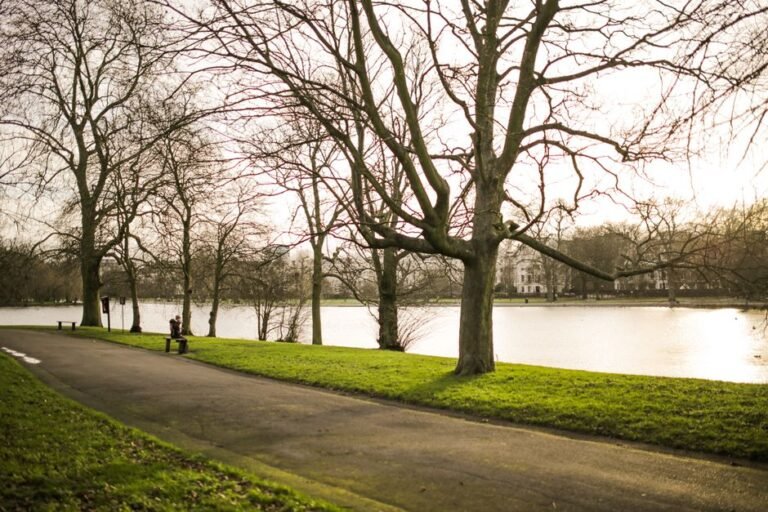
Parks, which are busy on Boxing Day and quiet again by the twenty eighth.
Anywhere you would normally avoid for crowds. The famously overrun viewpoint, the busy bridge, the street that is impassable in July. This is the week to see them.
Not the shopping streets, which are the one part of the city busier than usual.
The weather trade
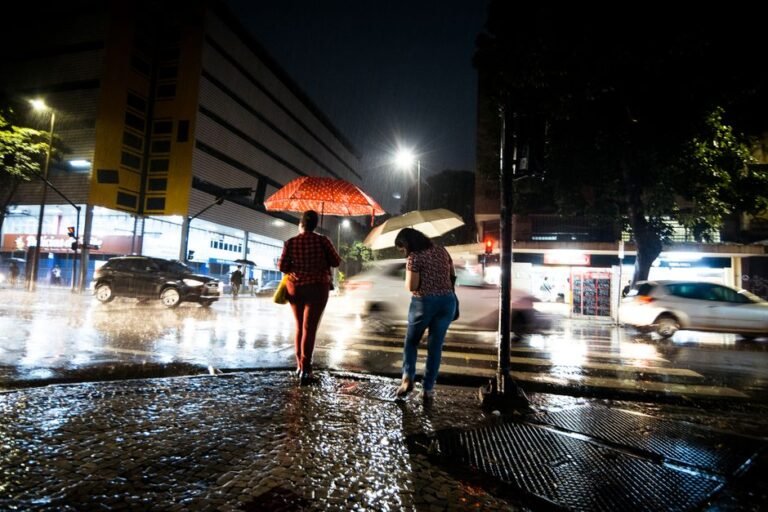
It is the darkest week of the year, give or take. Sunrise around eight, sunset before four, and often overcast on top of that.
You get maybe seven hours of usable daylight and the quality of it is poor. Plan for a walk that starts at ten and ends at three, and accept that anything after that is a night walk, which is its own thing and not what you were planning.
The compensation is that the light, when it does come, is the lowest of the year and does remarkable things to a street of tall buildings for about an hour either side of noon.
The following week
It ends abruptly. The second of January is a normal working day in most places and the city refills overnight.
The first week of January is worth knowing about separately, because it has a different quality: everyone is back, but nothing has started properly, and the mood is flat in a way that produces its own kind of quiet. Restaurants are empty. Cinemas are empty. It is the deadest week of the year for anything discretionary, which makes it an excellent time to go to all of them.
Transport during the gap
Worth planning around because it is the most disrupted week of the year and the disruption is not always where you expect.
Rail engineering work is concentrated in this week precisely because demand is low, so long distance journeys can be substantially longer or replaced by buses. Check before you commit to a day trip.
Within a city, services run to a Saturday or Sunday timetable on weekdays, which means fewer trains but also empty ones. The last services often run earlier than normal, which catches people out on the twenty ninth and thirtieth.
Driving is the one thing that is easier. City centre traffic in that week is a fraction of normal and parking that is impossible in December is available on the twenty eighth.
The mood
I want to name something that is not quite a practical point. This week has a particular emotional texture that some people find difficult, and going out into an empty city can make that better or considerably worse.
For me it improves it. The gap is easier to be in when I am moving through a city that is also in the gap, rather than sitting at home aware of it. But I know people for whom an empty business district on the twenty eighth of December would be the wrong place entirely.
Worth knowing which you are before you plan a long solitary walk for that week.
What to actually do
The thing I have settled on is a long walk with a specific destination that is open, usually a museum or a large park, taking a route through the parts of the city that are normally impassable.
Four or five hours, one indoor stop in the middle for warmth and food, home before dark at four. That shape works and I have repeated it four years running.
What does not work is treating it as a day off with no plan, which produces the flat disorientation that this week is notorious for.