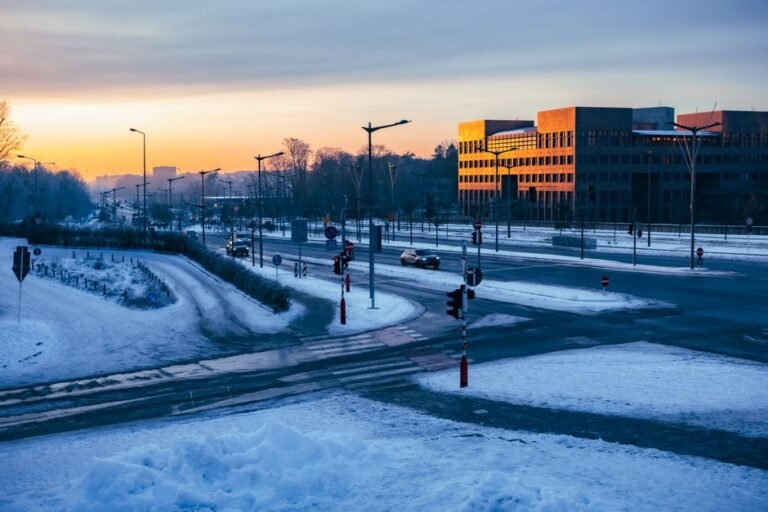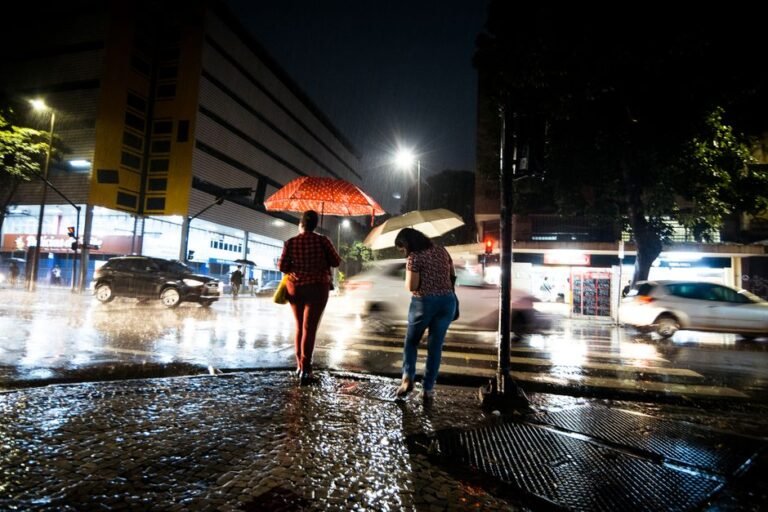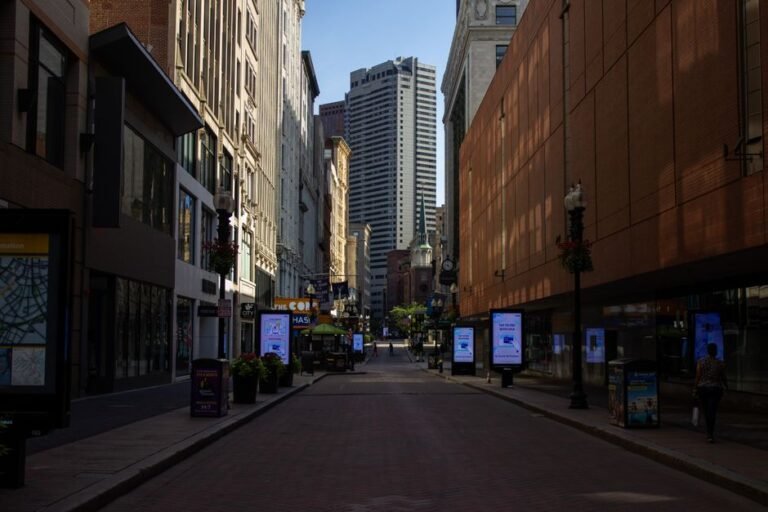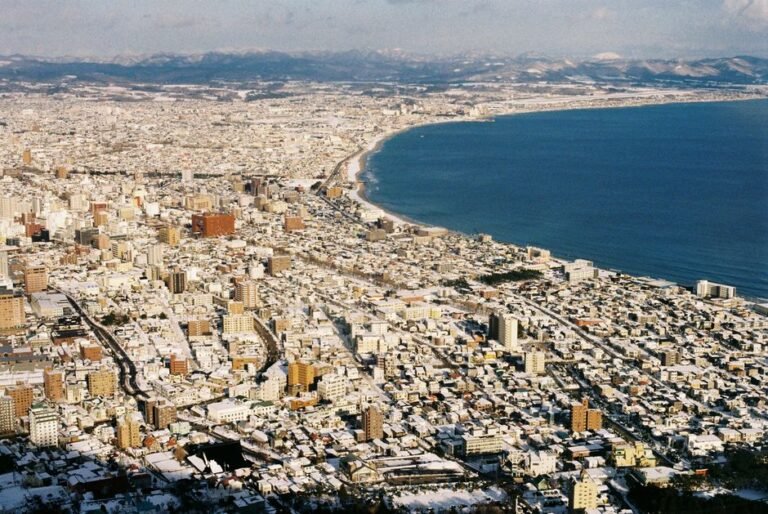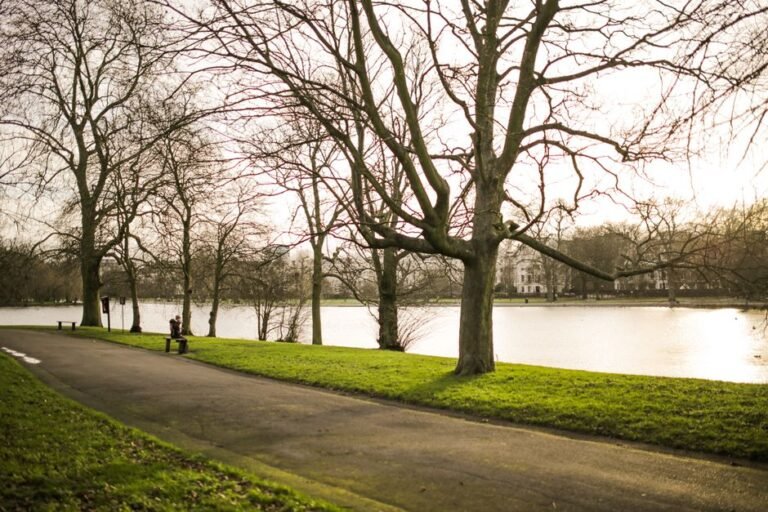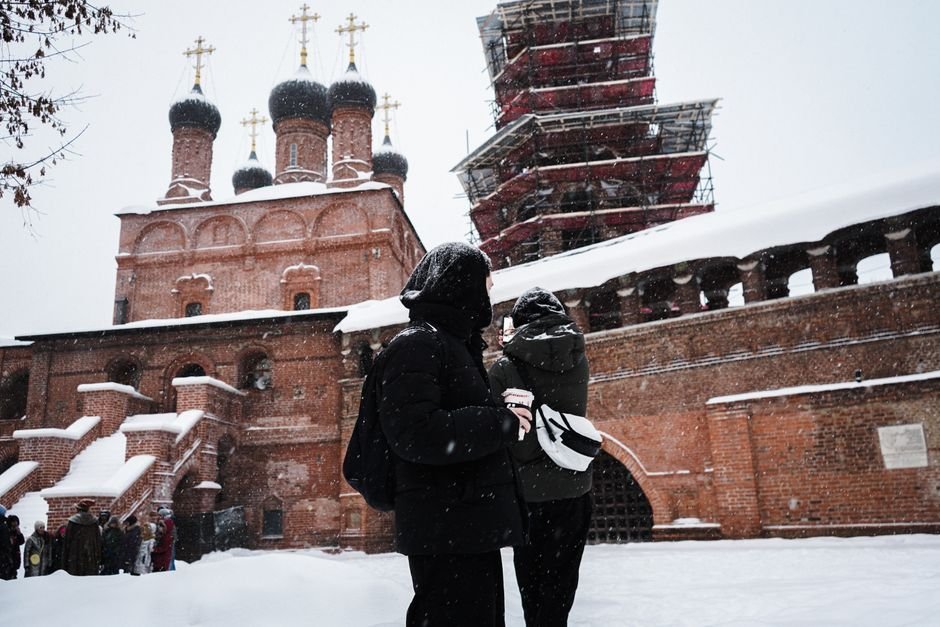
Visiting the Famous Thing in the Wrong Month
There is a well known garden about an hour from here that receives something like four hundred thousand visitors a year. In August you queue to get in and then queue again inside. In the second week of November there were perhaps thirty people in the whole of it.
The garden was, obviously, worse. Half of it had been cut back and the rest was going over. It was also the only time I have actually been able to look at it.
The trade you are making
I want to be honest about this because a lot of off season advice pretends the trade does not exist.
You are seeing a lesser version of the thing. A garden in November is not a garden in June. A coastal path in fog is not a coastal path with a view. A historic house with half the rooms closed for conservation work is a partial experience and the conservation work happens in winter precisely because nobody is there.
What you get in exchange is the ability to be present. Thirty people in a large garden means you can stand where you want, for as long as you want, and hear it. Four hundred people means you shuffle.
Which of those matters more depends entirely on what you came for, and I think a lot of people would genuinely rather see the roses.
Where the trade is best
Places whose appeal is the structure rather than the planting or the view. A ruined abbey is the same ruin in February and the light is better. A cathedral is unaffected by season. A historic house interior is identical.
Landscape with big bones does well: a valley, a cliff, a lake. Detail heavy landscape does badly.
The worst candidates are anywhere whose entire purpose is a specific seasonal event. Going to see the bluebells in September is not an off season visit, it is a wasted journey.
The closures problem
This is the thing that catches people and it caught me twice before I learned.
Many attractions close entirely for winter. Many more run reduced hours, close two days a week, or shut sections. The tea room closes long before the site does. And a number close for a maintenance period in January and February that is not always prominently advertised.
Check the actual opening calendar rather than the general opening times, and check it the same week you go. I now also check whether the last entry time has moved, because in winter it is often two hours before closing rather than one.
Cost
Frequently lower and rarely advertised as such. Off season admission at the garden I mentioned is about sixty percent of the summer price.
Membership schemes for heritage organisations look expensive against a single summer visit and look very different if you are going four times between October and March, when everywhere is quiet.
Fog, specifically
A brief argument for the worst possible conditions.
Fog at a famous viewpoint means you see nothing, and the visitor numbers on a foggy day drop to almost zero. But a landscape with the view removed becomes a much smaller and stranger place, and I have had two or three genuinely memorable hours at sites where the advertised feature was completely invisible.
It is not what you came for. It is also not available in July at any price.
The staff are different
An underrated part of an off season visit. In August the person on the desk has seen two thousand people and has a script. In November they have seen forty and may well want to talk.
I have had unprompted tours, been shown things not on the public route, and had questions answered at length that in summer would have got a pointing gesture. None of this is guaranteed and none of it should be expected, but it happens often enough to be a real feature.
Volunteer stewards at heritage sites are the most likely to do this, and the winter shift is usually the ones who have been there longest.
Photographs
The practical case for off season that persuades people who are unmoved by everything else: you can photograph the thing without a hundred people in front of it.
The famous view, the interior, the facade, all of it, without waiting and without cropping. At the garden I mentioned I took pictures in November that would have required an hour of waiting in June, and mostly I just walked up and took them.
Winter light is also lower and softer for most of the day, which for architecture in particular is a substantial improvement on overhead summer sun.
Making a day of it
The main risk with an off season trip to a single attraction is that it takes ninety minutes instead of the four hours you allowed, because half of it is shut, and then you are in a small town in February with nothing to do.
Plan a second thing. Ideally an indoor second thing. A local museum, a church, a pub with a fire. The day works much better as two or three modest stops than as one main event, and off season is exactly when the main event will not fill the time you gave it.
I now also check what time it gets dark, which sounds obvious and which I forgot on a November trip that ended with forty minutes of walking back to a station in the pitch black.