The First Hour in a Library Reading Room
The central library near me opens at nine. If I am through the door by five past, I get a table by the tall windows, and for roughly an hour the room stays close to silent. By ten fifteen it is a different place: laptops, a study group, someone taking a call they promised to keep short.
That hour is the most dependable quiet I have found in this city, and it costs nothing. It took me a while to work out why it works and where it fails.
Why the first hour is different
Reading rooms do not fill evenly. The people who arrive at opening are mostly there to read, and they arrive already knowing what they came for. The people who arrive at eleven are more likely to be meeting someone, killing time, or using the wifi. Neither group is doing anything wrong, but they produce very different amounts of sound.
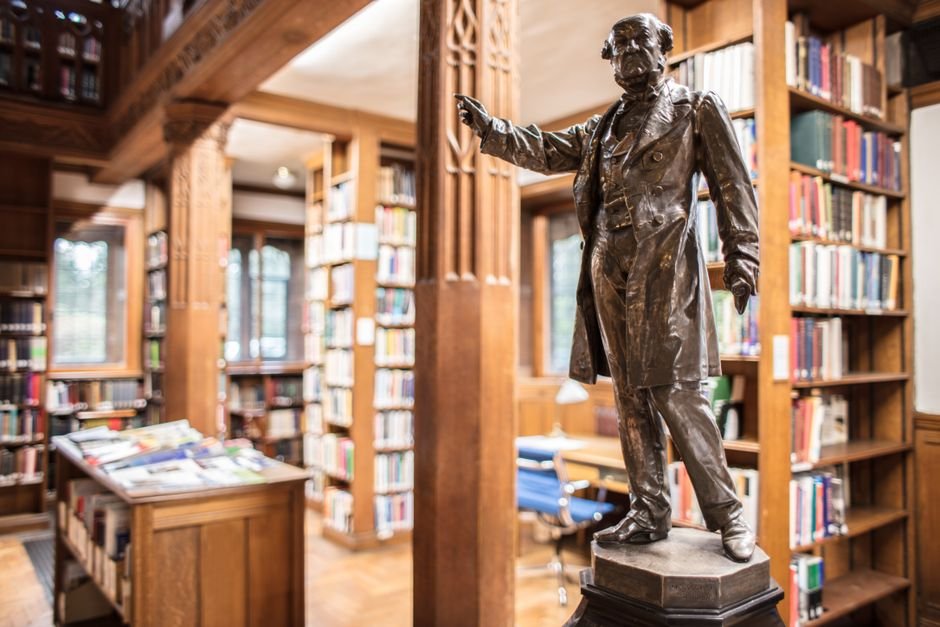
There is also a physical thing. Large reading rooms with high ceilings hold sound badly, which is usually a complaint but works in your favour when the room is nearly empty. Two people talking quietly forty feet away arrive as texture rather than words. Add fifteen more people and the same room turns into a wash of noise you cannot tune out.
What I got wrong at first
I assumed bigger meant better. The main reading room at the central branch is impressive and I went there for months. It is also where every tour group is taken, where the public computers are, and where anyone who wanders in from the street ends up first.
The branch libraries turned out to be more reliable. Smaller rooms, fewer visitors, and staff who notice noise faster because there is less of it to begin with. The reading area at my nearest branch has eight tables and no computers, and I have had it entirely to myself on a Tuesday.
I also assumed a study carrel would be better than an open table. It is not, at least not for reading. Carrels are designed for people who need to spread out and concentrate for hours, which means they attract exactly the people who will still be there when you leave, and who will have accumulated a small landscape of belongings around them. An open table by a window with nobody within three tables is quieter in practice.
The part nobody mentions
Libraries are warm in winter and cool in summer, and this is a large part of why they fill up. On the first genuinely cold morning of the year, the reading room I rely on had every table taken by nine thirty. That is not a complaint about anyone. It just means the quiet hour is seasonal in a way I did not expect, and in January it can be closer to twenty minutes.
The same applies in reverse during a heatwave. If you are planning around a library, check the weather first. It is a better predictor of how busy it will be than the day of the week.
What it is good for
Reading, obviously. Writing by hand. Anything that needs sustained attention but does not need you to talk or make noise yourself.
It is not good for thinking with your eyes closed, which sounds odd until you try it. Sitting still with your eyes shut in a public reading room reads as either unwell or asleep, and someone will eventually check on you. That is a kindness, but it does interrupt the thing you came for.
What to bring, and what not to
A physical book is the obvious answer and it is the right one. But the practical detail that took me longest to work out is water. Most reading rooms do not allow drinks at the tables, and an hour is long enough to want one. I now drink before I go in rather than smuggling a bottle, which I did for a while and felt faintly ridiculous about the whole time.
Layers matter more than you would think. Reading rooms are heated for people sitting still, which means they are often warmer than you want for the first fifteen minutes after walking there and colder than you want by minute fifty, when you have stopped moving entirely. A cardigan you can take off solves a problem you will otherwise blame on concentration.
What not to bring: anything that makes noise when you use it. Crisp packets, obviously, but also a bag with a loud zip, a notebook with a spiral binding that catches on the table, headphones that leak. I have been the person whose zip made everyone look up and it is not a mistake you repeat.
When it does not work
Some days the room is simply not quiet and there is nothing to be done. Building works next door. A fire alarm test. A member of staff giving an induction tour at volume, which is their job and not a thing to be annoyed about.
I used to sit through these hoping they would end. Now I leave within about five minutes, because the alternative is spending the hour irritated at people doing nothing wrong, which is worse than not having the hour at all. Having a second location in mind before you set out makes this decision much easier to actually take.
The other failure mode is subtler. If you go every day at the same time, you start to recognise the other regulars, and they start to recognise you. That sounds pleasant and mostly is, but it converts a solitary hour into a mildly social one. Nods become brief conversations. If what you wanted was to be unobserved, rotating between two or three branches keeps it that way.