A Weekday Afternoon at a Small Cinema
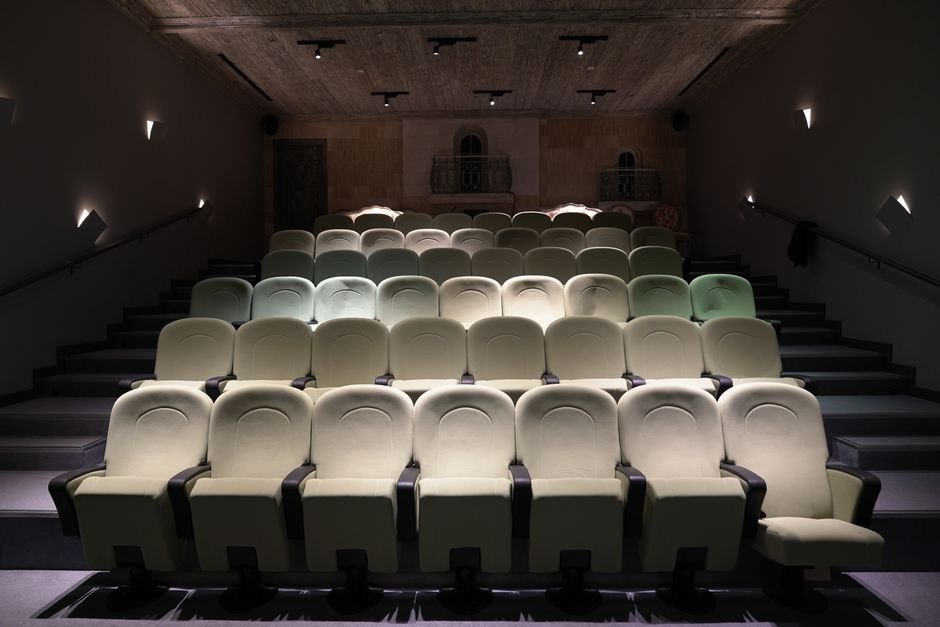
I went to a two o clock screening on a Wednesday, of a film that had been out for three weeks, at a cinema with one screen and ninety seats. There were four other people. Two of them left before the end.
The film was fine. The two hours were better than the film.
The specific appeal
It is the only place I know where being unreachable is enforced rather than chosen. Phone off is not a rule you are imposing on yourself, it is a rule the room imposes, and everyone in it has agreed.
Two hours is also longer than any other quiet interval I have written about here. A library hour ends when the room fills. A churchyard visit ends when you get cold. A film ends when it ends, and the interval is fixed in advance and cannot be shortened by circumstances.
And the darkness matters more than I expected. Being in a dark room with strangers, all facing the same direction, none of you able to see each other, is a genuinely unusual social arrangement and it produces a kind of privacy that a lit room cannot.
Which screenings
The rules are fairly simple. Weekday afternoons. Films in their third or fourth week. Independent or repertory cinemas rather than multiplexes, though a multiplex at two on a Tuesday is emptier than people assume.
Repertory programmes, where an older film is shown for one or two screenings, are the best of all. The audience for a Tuesday afternoon showing of something from 1974 is small, quiet, and there deliberately. Nobody has wandered in.
What to avoid: anything advertised as a parent and baby screening, obviously, and senior or community screenings, which are lovely and are also social events with conversation, tea, and an atmosphere entirely unlike a normal showing.
Cost
This is the least free thing on my list and the difference matters. A weekday afternoon ticket at an independent cinema is often substantially discounted, sometimes half the evening price, but it is still real money for two hours.
Many independents run a membership that pays for itself at roughly one film a month and also, usefully, removes the small decision about whether a given afternoon is worth the ticket. That decision is what stops me going, more than the money itself.
Some have concessions that are worth asking about and are not always advertised.
Watching a film you do not care about
A strange discovery: it works better when the film is only moderately interesting.
A film I badly want to see produces the ordinary experience of watching a film, which is absorbing and is not what I am describing. A film I am mildly curious about leaves enough attention free that the two hours become something closer to sitting in the dark with company, which is the thing I actually go for.
I am aware this sounds like a poor use of a cinema and possibly disrespectful to whatever is on the screen. I would say only that the building was built for people to sit in the dark together and that is what I am doing.
The building itself
Part of what makes this work is that small cinemas are often old, and an old auditorium is a much better room than a modern box.
The one I use most was built in 1937 and still has the original ceiling. Sitting in it before the lights go down, with four other people in ninety seats, is worth the ticket on its own. Modern multiplex screens are acoustically excellent and architecturally nothing, and the experience of waiting in one is not the same.
Many independents also let you in well before the film starts and do not mind you sitting there. Twenty minutes in an empty auditorium with the house lights half up is one of the more peculiar and pleasant intervals available anywhere.
The advert problem
Worth knowing if you are going for the two hours rather than the film. Some cinemas run twenty five minutes of adverts and trailers. Some run four minutes.
Independents are usually at the short end and repertory screenings often have none at all. If the advertised start time is when the film actually starts, the programme will usually say so, and it is worth checking because arriving for a two o clock film that begins at twenty five past changes the shape of the afternoon.
Going alone
There is a residual social awkwardness about this that I think has mostly evaporated in the last decade, but it took me a while to stop noticing it.
The practical reality is that at two on a Tuesday, everyone in the room is alone. That is who goes to weekday afternoon screenings. Nobody is looking at you, and the staff have seen four hundred people do exactly what you are doing.
The one thing that helped was buying the ticket online in advance rather than at the counter. It removes the only moment where you say out loud that you want one seat.