Designated Silence and Whether It Works
Some quiet is a property of a place and some quiet is a rule that somebody has written down. The second kind is more interesting because it fails in ways the first kind does not.
I have used quiet carriages for years, silent study rooms for about two, and a formally designated silent reading room in one library. They are not equivalent.
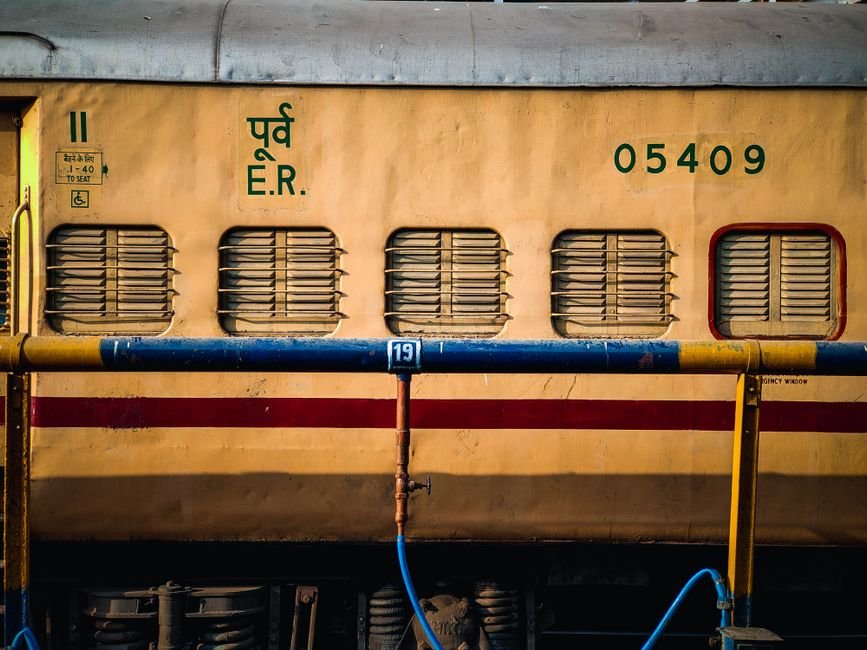
The quiet carriage problem
A quiet carriage works when enough people know it is one and fails completely when they do not, and there is no middle state.
The failure is worse than an ordinary carriage, which is the part people underestimate. In a normal carriage a phone conversation is background. In a quiet carriage it is a violation, and everyone around you is now having the same internal argument about whether to say something. The atmosphere becomes tense in a way that ordinary noise never produces.
I have said something twice in maybe two hundred journeys. Both times were fine and both times were unpleasant, and I spent the following twenty minutes aware of the back of that person head.
What I do now is treat the quiet carriage as a preference rather than a guarantee, sit there if it is available, and move without drama when it goes wrong. Expecting enforcement is what makes it worse.
Silent study rooms
These work far better, and I think the reason is that everybody in them has actively chosen to be there for a reason that requires silence.
A quiet carriage catches people who booked a seat. A silent study room catches only people who came looking for silence. That self selection does what signage cannot.
The other difference is that they are usually small and enclosed, so the social pressure is immediate and visible. Ten people in a room, all silent, is a much stronger constraint than a sign at the end of a carriage.
Where they fail: keyboards. A silent room full of people typing is not silent, it is a room with a specific texture of noise that some people find fine and some find worse than talking. I am in the second group and it took me a while to work out why I disliked a room that was technically obeying its own rules.
The one that surprised me
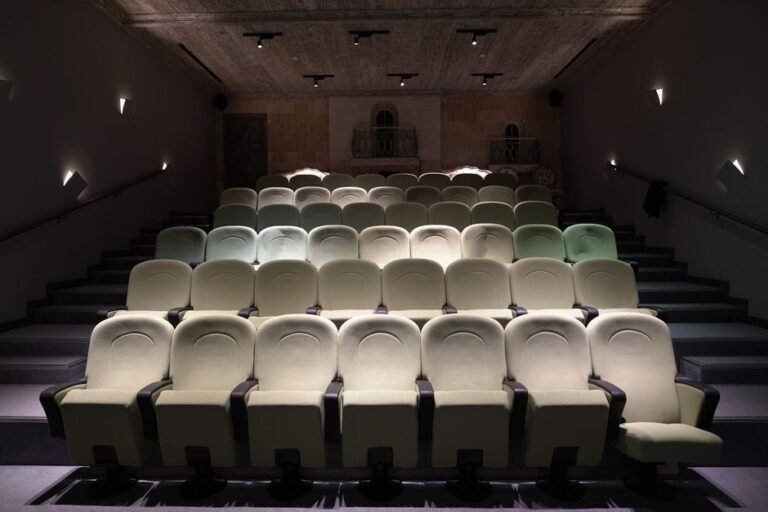
A library near me has a reading room with a rule of no laptops, no phones, no talking. Not a study room, a reading room, and the distinction is enforced.
It is the quietest indoor public space I have ever been in, and the reason is the laptop rule rather than the talking rule. Remove the typing and what is left is page turns and the occasional chair.
It is also much less used than the ordinary reading room next door, because most people who come to a library to sit down want to use a computer. So the rule that makes it work also keeps it empty, which is a rare case of an institutional decision producing exactly the right outcome.
Whether designated silence is worth seeking out
My conclusion after a few years is that a place which is quiet because nobody is there beats a place which is quiet because of a rule, almost every time.
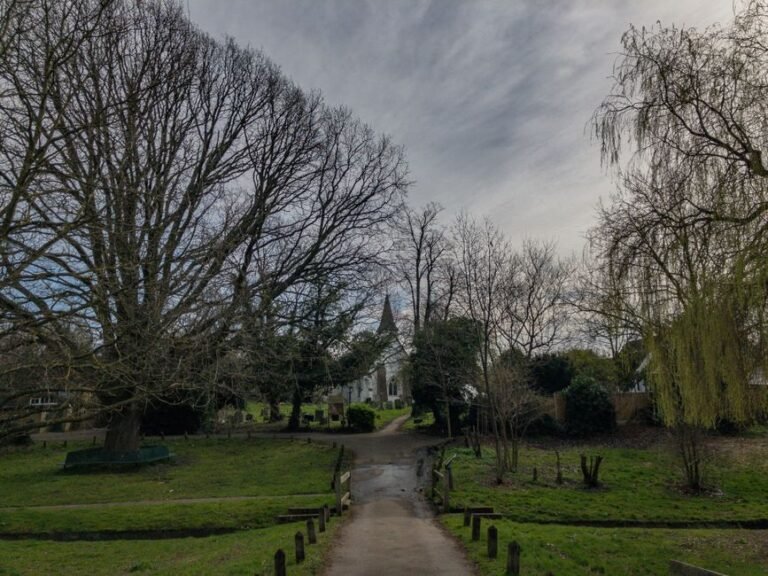
The rule creates an expectation, and expectations create irritation when they are not met. An empty churchyard makes no promises, so a delivery van going past is simply a van. A silent carriage promises silence, so a phone call is a betrayal.
The exception is that no laptop reading room, which works because the rule removes a specific source of noise rather than asking people to behave better. Rules about equipment succeed. Rules about conduct mostly do not.
Silent retreats and the far end of this
There is a category beyond any of the above, where silence is the entire structure rather than a rule inside something else. Monastic guesthouses, retreat centres, and various secular equivalents run days or weekends where nobody speaks at all.
I have done one, a single day, at a place that takes people of any faith or none for a small charge. It was much harder than I expected for the first three hours and then stopped being hard quite suddenly.
What it demonstrated is that most of the difficulty in staying quiet is social rather than internal. In a room where speech is simply not available as an option, the effort of not speaking disappears, and what is left is the thing everybody claims silence gives you and which I had been fairly sceptical about.
I am not sure I would do a weekend. But the day was the single most effective version of everything else on this site, and it cost less than three cinema tickets.
Why I still prefer found quiet
All the designated options ask something of you: a booking, a fee, a commitment, an arrival time. The empty churchyard asks nothing. You walk past, the gate is open, you have twenty minutes.
That difference matters more than it should. The quiet I actually get, measured across a year, comes almost entirely from places I did not plan to visit, on days when I had half an hour and took it. The planned version happens four or five times a year and the unplanned version happens weekly.
If you are going to invest effort anywhere, invest it in knowing where the open gates are. That is a much better return than a booking.