What to Carry
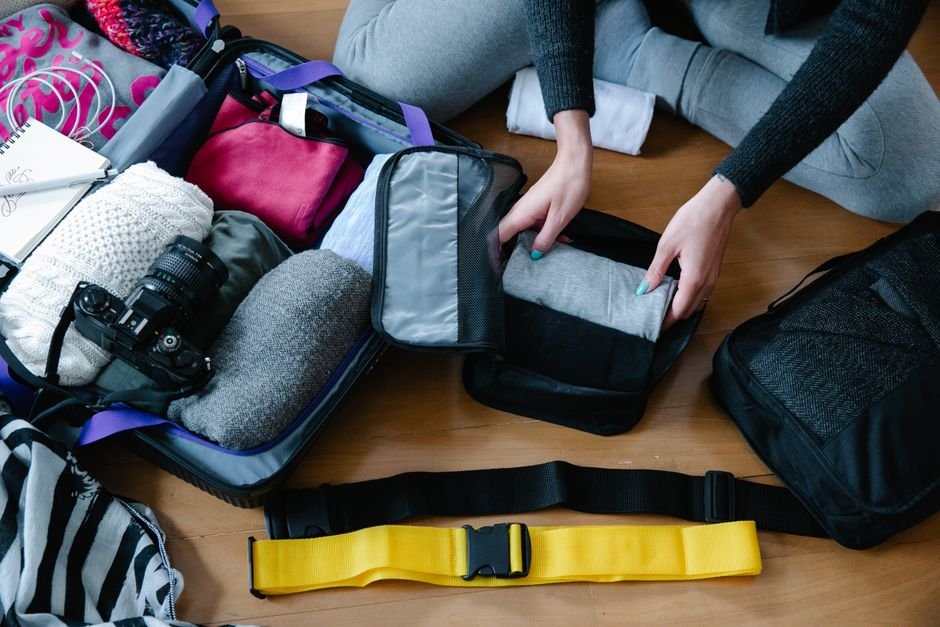
The bag is a real constraint on this. Anything you carry, you carry for four hours, and anything you do not have you either do without or leave to get.
What follows is what has survived. It is shorter than what I started with.
Something to sit on
The highest value item and the one I would have laughed at three years ago.
Public seating is wet for most of the year. A folded plastic bag weighs nothing and converts a wet bench into a usable one. I have since upgraded to a small foam sit mat, which is bulkier and better, and which has extended the usable season of every outdoor place on my list by about three months.
Almost every visit I have cut short in autumn or winter was cut short because I could not sit down.
A paperback you do not care about
Not the book you are reading. A cheap one you would not mind losing or getting damp.
The reason is that the good book creates an obligation. You brought it, you should read it, and if the place turns out to be better for looking than reading you feel you have wasted the trip. The disposable paperback removes that entirely and is there if you want it.
Hardbacks are the wrong shape for this. Anything with a dust jacket is wrong for glasshouses specifically.
A flask, eventually
I resisted this for a long time on the grounds that it seemed like a lot of apparatus.
The case for it is that everything on this site is free except the coffee, and buying a drink forces you into somewhere that has a purpose and a table and an expectation. The flask means the bench is enough.
Between November and March it is the difference between forty minutes and two hours. Between May and September I usually leave it.
Layers, specifically one more than you think
Sitting still is thermally different from walking and the gap is bigger than most people account for.
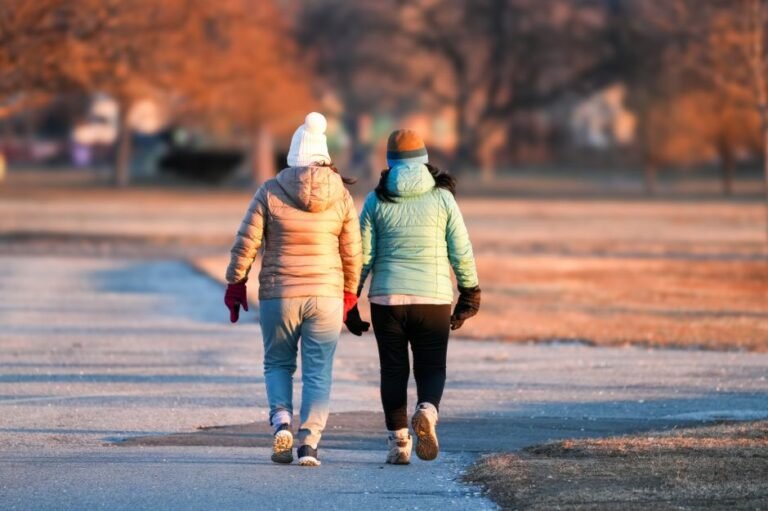
The rule I use is to dress for the walk and carry one additional layer for the sitting. Without it I am comfortable for twenty minutes and cold for the rest, which converts a good hour into a short one.
Gloves you can turn pages in are worth finding. Most are not.
What I stopped carrying
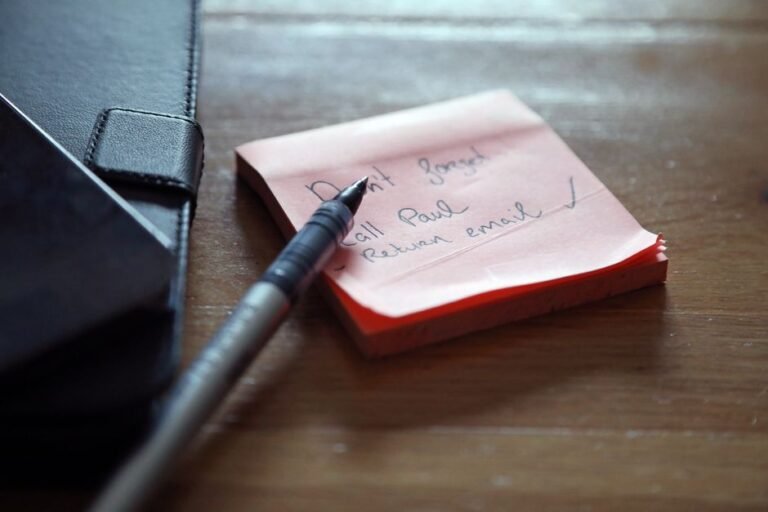
A notebook. Carried one for a year and used it perhaps five times, always to write something I could have remembered. Its main function was to make me feel that the time needed a product.
Headphones. The point is the sound of the place. Also, in several of the settings I have written about, wearing them is a safety question or a rudeness.
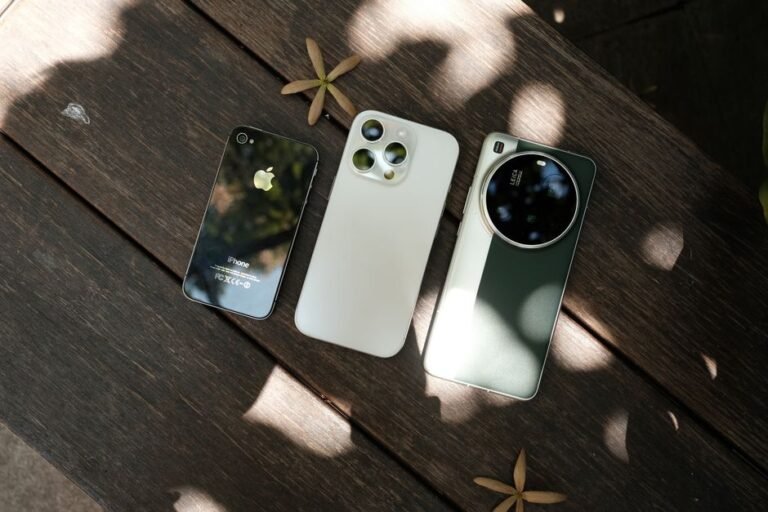
A camera. This one is contested and I know people who would disagree. For me, carrying a camera converts a walk into a search for pictures, and the attention it takes is exactly the attention I went out to free up. The phone in my pocket handles the two or three times a year I actually want a photograph.
Water in summer. Kept, obviously. Removed from this list only because it is not worth saying.
The bag itself
Small enough that you can keep it on your lap in a museum rather than using a cloakroom, and plain enough that you do not look like you are going anywhere in particular.
I use a canvas tote for anything within an hour of home and a small rucksack for a day out. The tote is worse in rain and better everywhere else, mostly because it can be put down on a bench next to you rather than needing to come off your back.
Seasonal adjustments
The list changes twice a year and only by a couple of items.
From about October the flask goes in and stays in, the sit mat becomes essential rather than useful, and I add a second pair of gloves because the first pair gets wet. From about May all three come out and water goes in.
The one item I have gone back and forth on is a small folding umbrella. It is useless in wind, which rules it out for most outdoor walking, and it is genuinely useful in a city where you are moving between indoor places in light rain. It now lives in the tote and not in the rucksack, which turns out to be exactly the right distinction.
The cloakroom question
Relevant to anywhere indoors, and it changes what bag makes sense.
Most museums will not let you keep a rucksack on your back and many require bags over a certain size to be checked. That is fine and it also means retrieving it before you leave, which adds a queue at the end of a visit.
A bag small enough to keep on your lap avoids all of this. It is the single reason I use a tote for anything within the city, and it has made short museum visits substantially less effortful.
What is worth spending money on
Very little of this, honestly. The sit mat cost the price of two coffees. The flask was a present. The tote was free.
The two things worth spending on are waterproofs and boots, and only if you intend to go out in bad weather regularly. Cheap waterproofs fail at the seams within a season and cheap boots let water in at the flex point. Both failures end walks early, which is the only real cost.
Everything else on this list can be improvised out of things you already own, and starting with a plastic bag to sit on and a library book is a completely reasonable version of the whole thing.